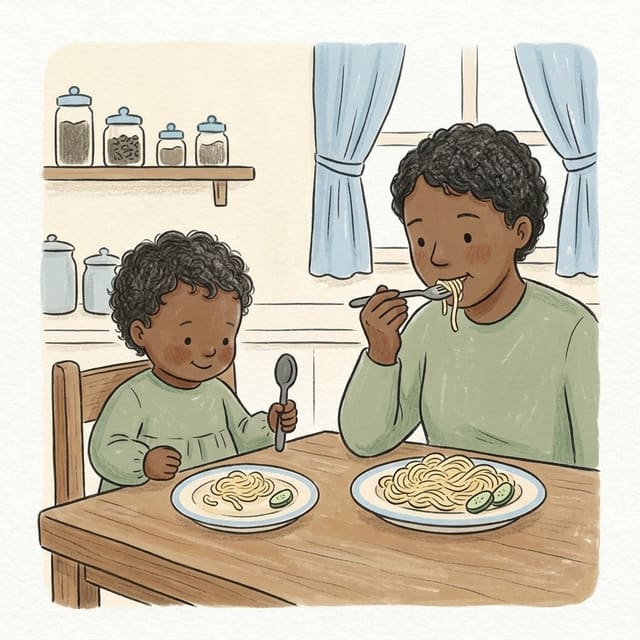
Only wants the same three foods
Why this happens
A short list of accepted foods is one of the most common things parents ask about between one and three. Predictable food is comfortable: it looks the same, feels the same in the mouth, and carries no surprises. Around the same age children are pushing for control everywhere else too, and the plate is one of the few places they genuinely have it.
It is easy to read as a standoff between you and your child. It usually is not. Most of the time your child is avoiding uncertainty rather than opposing you.
What to try this week
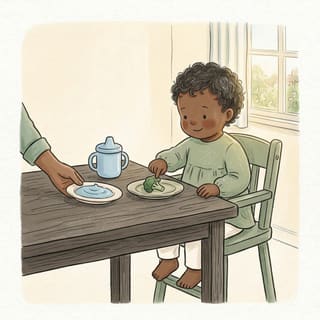
Keep serving the safe foods. Taking them away to force a change tends to make the list shorter, not longer, because the meal now feels risky as a whole. Instead put a very small amount of something else on the same plate and say nothing about it.
Move in small steps from what already works. If they eat one brand of plain pasta, try the same shape in a different brand, then a slightly different shape, then the same shape with a little butter. If they eat toast, try toast cut a new way. A jump from plain pasta to a vegetable bake is a much bigger ask than it looks from the outside.
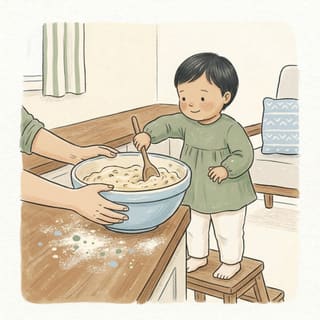
Timing matters. The AAP suggests offering a new food when you know your child is hungry, at the start of the meal and before their favorites, alongside foods they regularly eat. Once a week is plenty, and it can take 10 to 15 tries over several months before a new food is eaten. If a sit-down meal has become tense, a bit of chopped fruit shared while you are both busy in the kitchen is another low-pressure way in.
What not to worry about
Eating the same lunch every day for a month is not, by itself, a problem. Look at the week rather than the meal, and at whether your child is growing and has energy, rather than at how varied any single day looked.
Bargaining, bribing with dessert, and one-more-bite rules generally cost you more than they win. So does cooking three separate dinners, which is exhausting and teaches that the menu is negotiable. A middle path that many families land on is one family meal plus one safe thing on the side, prepared with no extra cooking: bread and butter, yogurt, a bit of fruit.
Keep comments off the plate, yours included. Sighing at what has not been eaten registers just as clearly as saying it out loud, and a child who is being watched eats less rather than more.
When to ask someone
Speak to your pediatrician if the list is shrinking, if whole food groups have gone, if your child gags or is frightened by new food, or if this is affecting their weight. There is proper help available, including referral to a dietitian, and it is not something to work out alone from the internet.
Try this together
Where this comes from
Little Wins guides are general information for parents, not medical or nutrition advice. If you are worried about your child's eating, growth or health, talk to your pediatrician.
More food guides
Browse
Food and mealtimes guides · All guides · Activities · Everyday helper activities · Sensory activities